
The Sweeter Side of Life: Jaggery Production in Tamil Nadu
The Sweeter Side of Life: Jaggery Production in Tamil Nadu
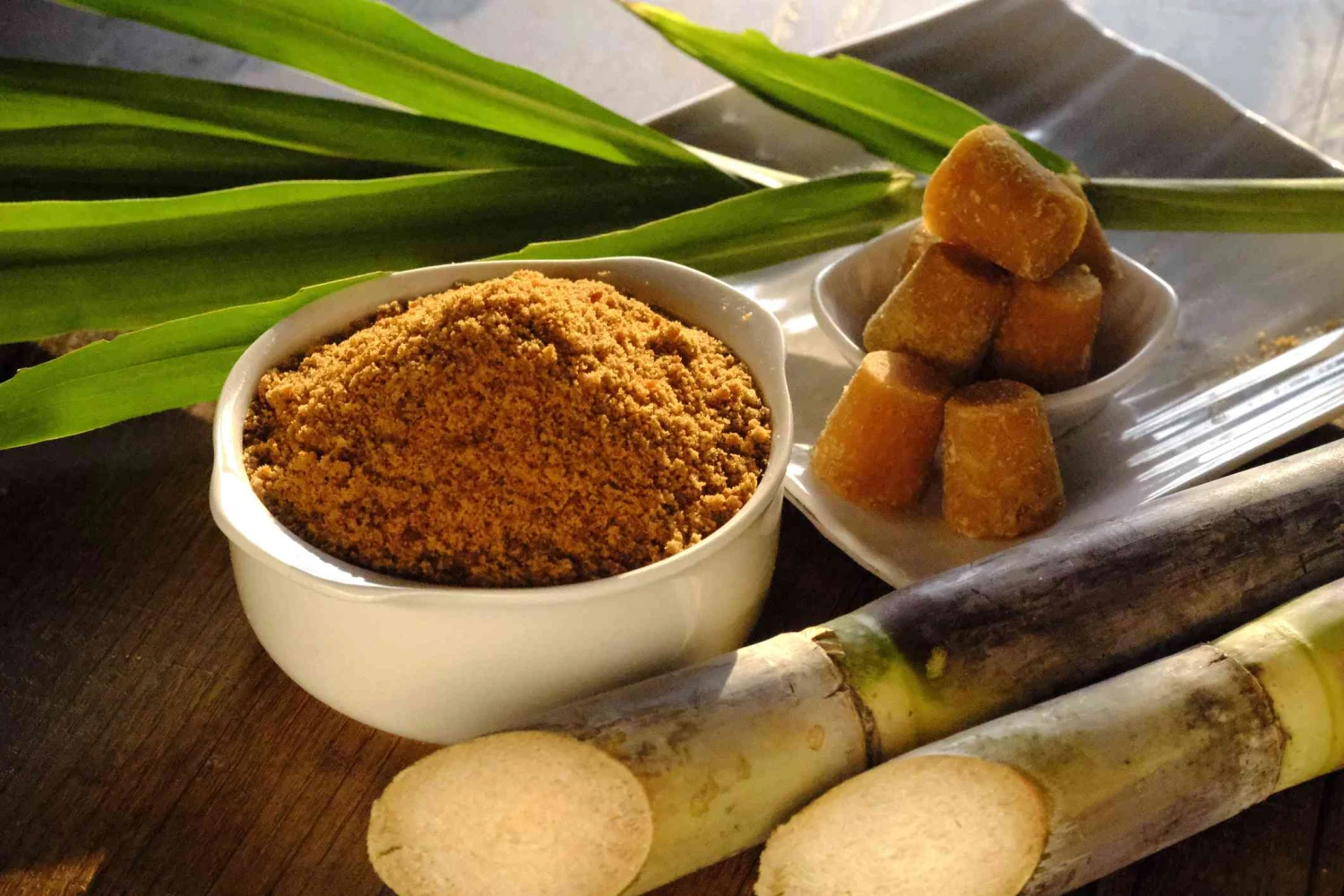
Jaggery is an unrefined sugar made from boiling raw sugarcane juice until it solidifies. It is used commonly in many South Indian kitchens and dishes. There are many people who swear by its health benefits, especially when compared to white refined sugar.
What was unique about the sugar cane farm that we visited was that the Jaggery was made on-site with no additional preservatives, additives, or chemicals. This not only ensured that people felt they were getting a healthier, more wholesome product, but also allowed the farmer to get a higher market price.
After harvesting, the sugarcane is pressed into raw, unprocessed sugarcane juice. These juice presses are also a common sight on the side of roads in the hot summer months – sugarcane juice on its own is a deliciously cooling beverage.
To make Jaggery, the juice is then poured into a large vat and boiled, sometimes for hours. The liquid needs to be stirred constantly, and any impurities or froth that comes to the top needs to be skimmed off. In 110 degree Fahrenheit heat (43 degrees Celsius), this is probably the most challenging job. After boiling, the sugarcane juice has become more solid and paste-like, and the vat is tipped into a wooden mold. After cooling and drying, the paste is shaped into balls, and the Jaggery is ready!
Sugarcane is brought fresh to the press, which is then turned into juice and boiled. The dried stalks once the juice was pressed were used to light the fire to boil the juice. Each field, juice, and boiling process was meticulously planned so that nothing would go to waste.
Traditional Techniques and Modern Innovation:
While jaggery production is deeply rooted in tradition, modern innovation has found its way into the process. Contemporary methods prioritize efficiency, hygiene, and sustainability.
Mechanized extraction processes, such as mechanical presses and evaporators, limit the labor-intensive nature of jaggery production while minimizing waste and energy consumption. These innovations help maintain the delicate balance between tradition and progress, ensuring that the essence of jaggery remains intact.
Health Benefits Of Jaggery:
Jaggery's journey from farm to table offers countless perks, both for consumers and the planet.
Nutrient Rich:
Jaggery retains vitamins and minerals, such as calcium, iron, and magnesium, that are stripped away during the refining of white sugar.
Slow Digestion:
Its complex carbohydrates are metabolized slowly, leading to sustained energy release and helping avoid the sugar spikes associated with refined sugar consumption.
Iron Boost:
Jaggery is a rich source of iron, making it an ideal dietary addition for those at risk of iron deficiency or anemia. Its iron content supports the production of red blood cells and helps maintain optimal oxygen circulation throughout the body.
Digestive Aid:
Traditional medicine often praises jaggery for its digestive properties. It aids in digestion by stimulating digestive enzymes, promoting better nutrient absorption, and limiting digestive discomfort.
Detoxification:
Jaggery is known to facilitate the removal of toxins from the body. Its consumption can promote healthy digestion, help cleanse the liver, and support the removal of waste products.
Respiratory Health:
Combining jaggery with specific herbs is believed to help alleviate respiratory issues like coughs and colds. The warming properties of jaggery are thought to ease chest congestion and provide relief from respiratory discomfort.
Rich In Antioxidants:
Jaggery possesses antioxidants that combat free radicals and oxidative stress in the body. These antioxidants will contribute to total well-being and may even help slow down the aging process.
Recent Posts