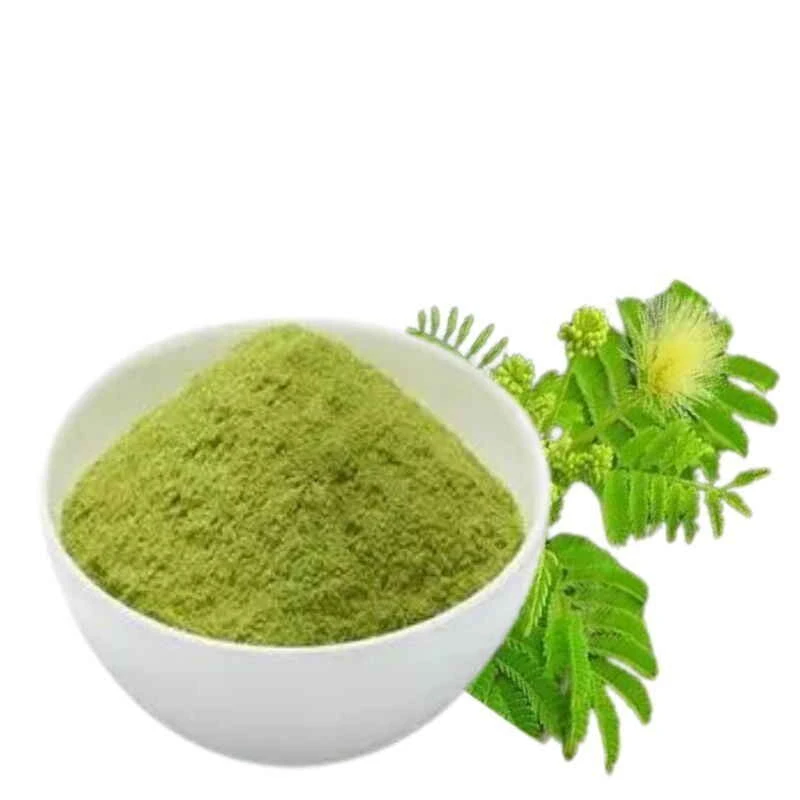

Pot Tamarind

In Indian villages especially in Tamil Nadu, Andhra Pradesh, and Kerala is naturally fermented and preserved using age-old, chemical-free methods that enhance its flavor and longevity. Here’s how Ammi Samayal carries the process traditionally
Harvesting: Farmers team
Tamarind pods are collected once they ripen fully and turn brown on the tree (usually between January and April. The pods are dried under sunlight for a few days to reduce moisture and loosen the outer shell.
Deseeding and Cleaning: Farmers family
The outer shells and veins are removed by hand. Seeds are taken out carefully, leaving behind only the sticky pulp. The pulp is checked for insects or impurities.
Mixing with Salt: The cleaned pulp is mixed with rock salt — roughly 1 tablespoon of salt for every ½ kg of tamarind. The salt acts as a natural preservative and prevents fungal growth.
Packing in Clay Pots: Ammi Samayal Team
The salted tamarind pulp is tightly packed into earthen (clay) pots because clay pots maintain a stable temperature and allow slow aeration. The pot is then sealed with a cloth and a layer of mud or neem leaves, keeping out air and moisture. Consciously handcrafted by Women farmer along with Ammi Samayal team
Natural Fermentation: MUDPOT & Time plays the role
To maintain the freshness and flavor of Organic Black Tamarind, it is important to store it properly. The pot is kept in a cool, shaded corner or underground storage area for 6 months to 1 year. During this time, natural fermentation occurs due to the mild microbial activity in the pulp. Salt + fermentation together enhance preservation and taste.The color darkens, texture becomes soft and pliable, and the flavor deepens — rich, tangy, and slightly mellow.
After a year, the fermented tamarind is taken out and used in cooking. This process is eco-friendly, chemical-free, and sustainable, used for generations in South Indian homes.
Ammi Samayal involves in bringing back the traditional practises into reality & easy to use for today’s generation & busy families.
It dissolves faster in water, gives more depth to dishes like rasam, sambar, puliyodarai, and has a rounded sourness — not sharp like fresh tamarind.
The Ammi Samayal Aged Mudpot Tamarind has numerous health benefits
The antioxidants present in it help protect the body against free radicals and oxidative stress.It contains hydroxycitric acid (HCA), which has been studied for its potential weight loss and appetite suppressant effects.
Ammi Samayal Aged Mudpot Tamarind is a good source of vitamins and minerals. It also contains potassium, calcium, and iron. Particularly high in vitamin C, which supports immune function and collagen production.
Another popular use of Mudpot aged black tamarind is in traditional medicine. The fruit is believed to have medicinal properties and is used to treat various ailments, including digestive issues, inflammation, and high blood pressure.
The Science Behind the Strength of Ripe Tamarind :
Ripe tamarind pulp shows higher DPPH radical scavenging activity compared to unripe. Polyphenolic contents of the extracts appear to function as good donor of electron and hydrogen atom, and therefore, are capable of terminating radical chain reaction by converting free radicals and reactive oxygen species to more stable products. The degree of discoloration indicates the scavenging potentials of the antioxidant extract. Decrease in the absorbance of the tamarind fruit extract shows an increase in the scavenging activity with an increase in days of maturation. This scavenging activity of tamarind pulp may be related to their presence of flavonoids, condensed tannin, and polyphenols thus contributing to their electron transfer/hydrogen donating ability.
Wrapping Up the Final Thoughts:
Unripe tamarind (green pod) shows polyphenol oxidase activity from the initial stage of development until the stage of the onset of ripening up to 105 days. Thereafter, there is an abrupt increase in the content of reducing sugars due to ripening in addition to a steady increase in available lysine content in the ripe pulp. The onset of Maillard reaction takes place during the ripening stage and thereafter during storage. The presence of reducing sugars and available lysine inhibits enzymatic browning. Long time stored tamarind pulp (360 days) is a rich source of antioxidants
At Ammi Samayal, we believe in keeping these traditions alive. Our tamarind is naturally sun-dried, hand-cleaned, and preserved the way our ancestors did — in small batches, with salt and care.
No chemicals. No shortcuts. Just pure, time-aged flavour — the way it’s meant to be.
That’s the taste Ammi Samayal brings to your plate — authentic, preserved, and deeply rooted in our land.
Ammi Samayal Aged Mudpot Tamarind Recipe:-1
Puliyodharai (Tamarind Rice)
Soak wild tamarind in warm water, extract thick pulp.
Heat oil, add mustard, dals, and curry leaves.
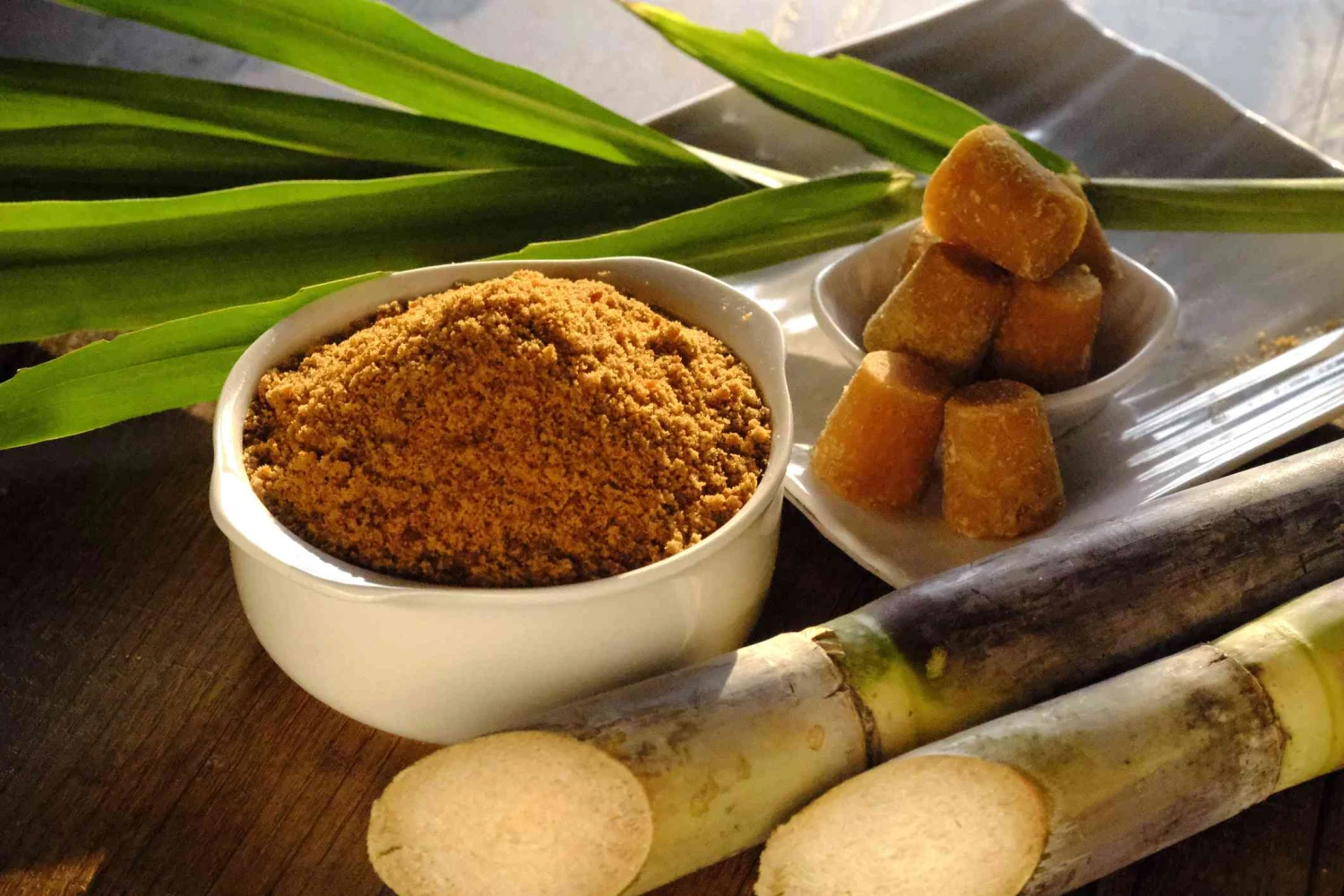
Add tamarind extract, salt, red chilies, and a pinch of jaggery.
Let it thicken to a paste.
Mix this paste with rice, add peanuts, and drizzle sesame oil.
Ammi Samayal Aged Mudpot Tamarind Recipe:-2
Puli Kuzhambu
Soak tamarind and extract thick pulp.
Heat gingelly oil, add mustard, fenugreek, onions, and garlic.
Add veggies and fry till soft.
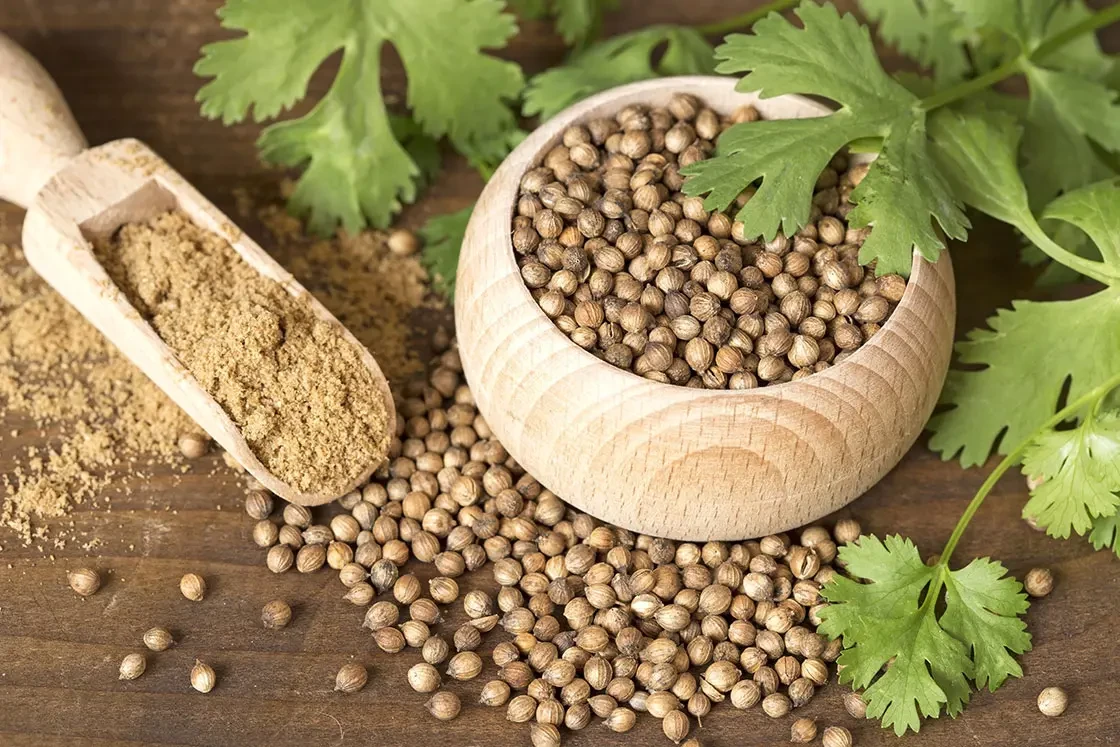
Mix the spice powders—Turmeric, Chilly and Coriander Powders with a little water, add to the pan.
Pour tamarind extract and boil until oil separates.
Ammi Samayal Aged Mudpot tamarind gives a smoky, mature tang that enhances kuzhambu flavor beautifully.
Recent Posts